Florida's climate is one of the most challenging in the United States for stormwater infrastructure management. With an average of 55–65 inches of rainfall annually — much of it concentrated in the June through October rainy season — and a topography so flat that gravity drainage is marginal at best, South Florida's storm drain systems carry an enormous burden. When those systems are poorly maintained, the consequences range from flooded streets and damaged property to regulatory violations and significant legal liability.
This guide explains why regular storm drain cleaning is not optional for Florida municipalities and commercial property owners — it's an operational necessity and a legal requirement.
The Consequence of Neglect: Flooding
The most visible consequence of storm drain neglect is flooding. Catch basins in South Florida accumulate sediment, debris, trash, and organic material continuously. A basin that starts the year at full capacity may be 40–50% filled with accumulated material by the end of dry season — before the first June rainstorm even arrives. When that storm arrives, a clogged basin simply can't accept inflow at the designed rate.
The result is standing water on roadways, flooded parking lots, and in serious cases, water intrusion into buildings. In South Florida's flat terrain, even 2–3 inches of elevation difference can determine whether a neighborhood floods or stays dry during a heavy event. Properly maintained storm drain systems are the infrastructure that makes that margin work.
The damage from flood events — to roads, to vehicles, to commercial property and inventory — routinely costs tens of thousands to millions of dollars in a single event. Against these costs, the price of an annual storm drain cleaning program is marginal.
Florida Rainy Season: Why Pre-Season Cleaning Matters
South Florida's rainy season runs from June through October, with the peak of both rainfall and hurricane activity in August and September. The optimal time for storm drain cleaning is April and May — after the winter dry season has allowed maximum sediment accumulation, and before the rainy season arrives to stress the system.
Pre-season cleaning ensures that every catch basin and conveyance pipe enters the rainy season at full designed capacity. It also provides an opportunity to identify structural defects — cracked pipes, collapsed inlets, blocked outfalls — while there's still time to make repairs before the system is stressed.
Many South Florida municipalities and property managers schedule a second cleaning cycle after the rainy season ends in November, removing sediment and debris deposited during the season and preparing the system for the annual inspection cycle.
Regulatory Compliance: NPDES and MS4 Requirements
Storm drain maintenance isn't just good practice — it's a legal requirement for most municipalities and many commercial property owners in Florida.
Florida's National Pollutant Discharge Elimination System (NPDES) permits govern stormwater discharges from municipal separate storm sewer systems (MS4s). These permits — issued by the Florida Department of Environmental Protection (DEP) — require permit holders to implement a Stormwater Management Program (SWMP) that includes documented inspection and maintenance of stormwater infrastructure.
Failure to maintain stormwater infrastructure in compliance with NPDES permit requirements can result in DEP enforcement actions, consent orders, and substantial fines. More significantly, a documented failure to maintain infrastructure that results in flooding damage can create significant liability for the municipality or property owner responsible for that infrastructure.
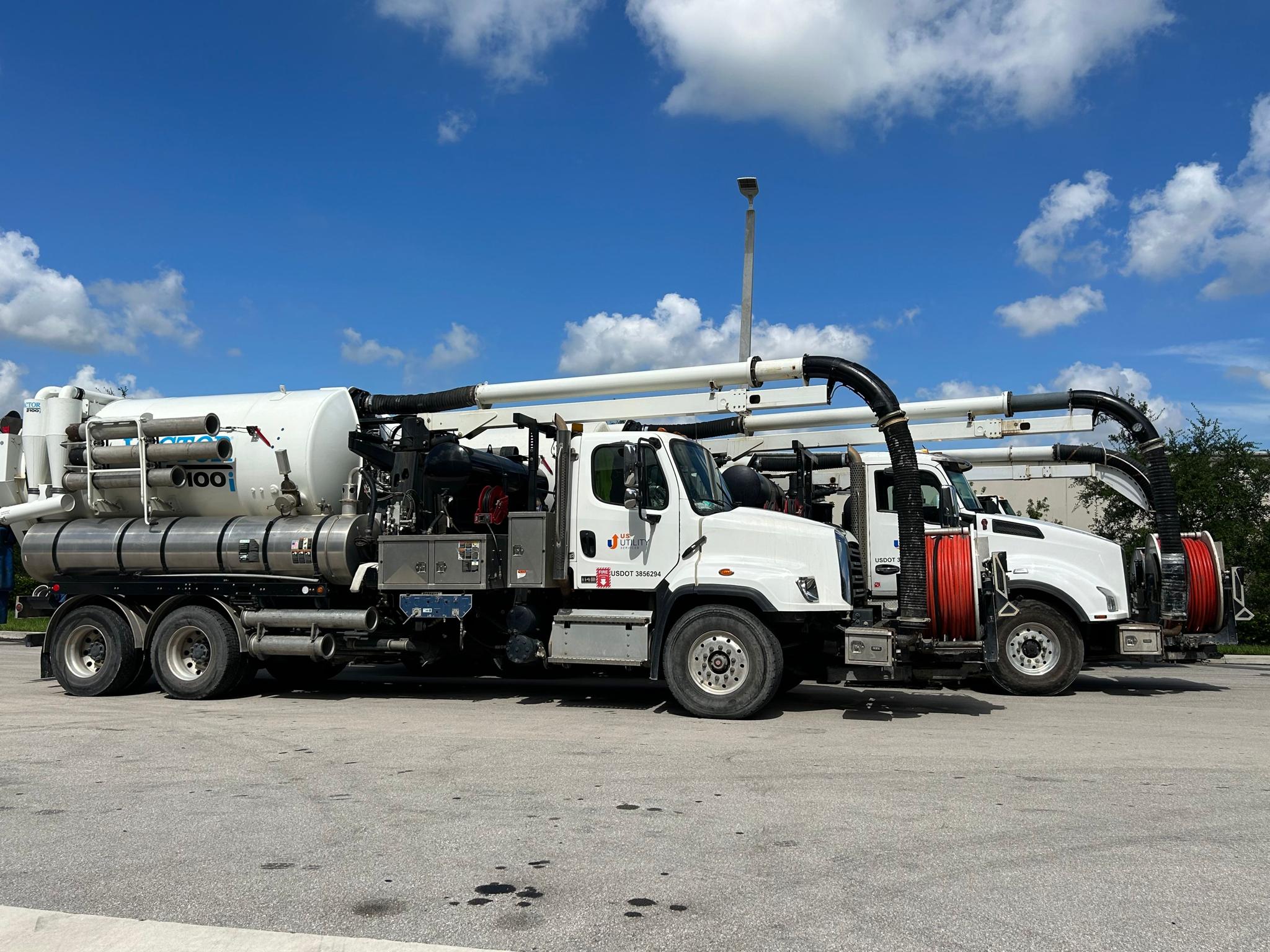
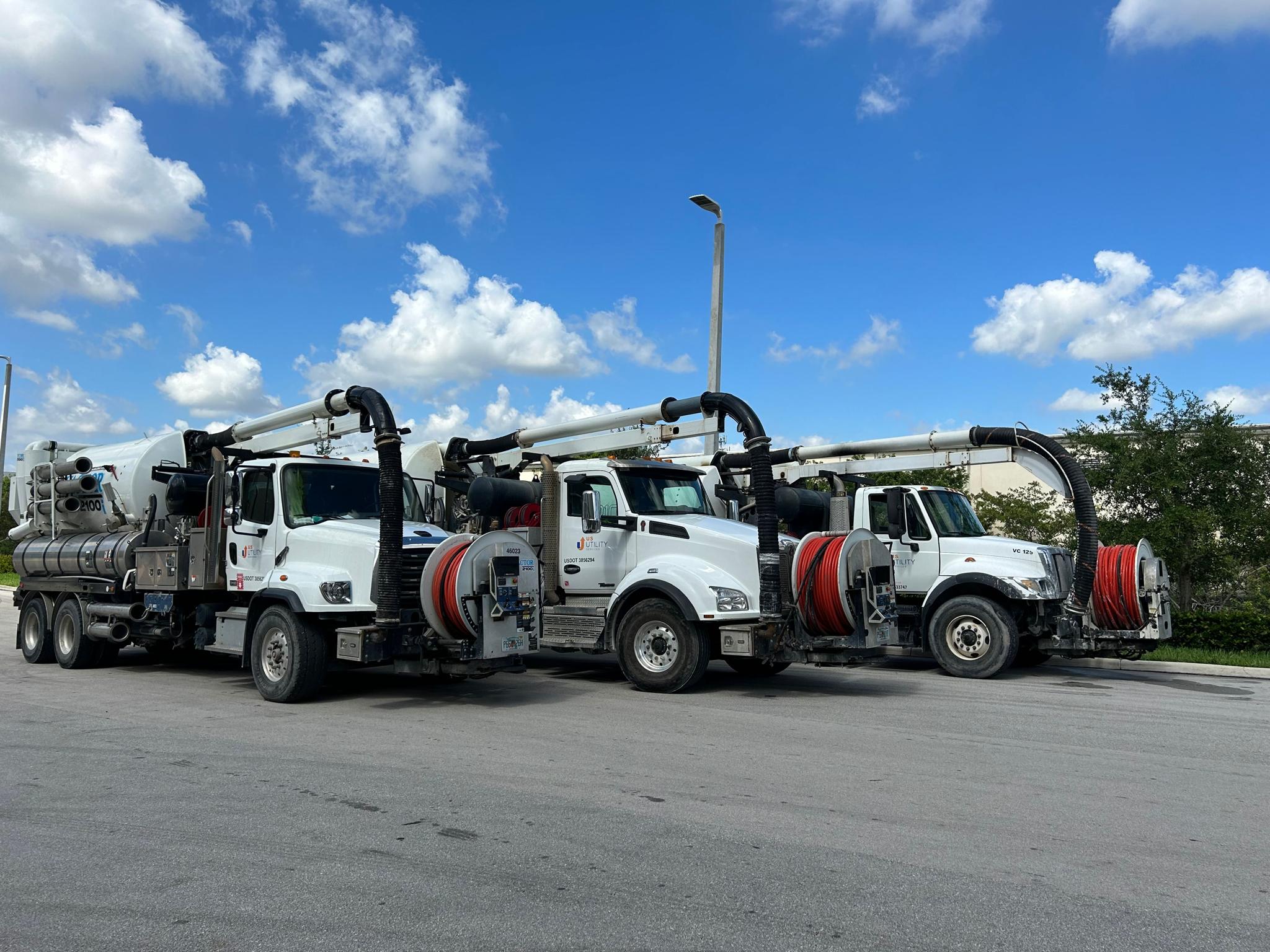
US Utility Services provides complete maintenance documentation — GPS-located maintenance records, before/after photos, and detailed service logs — that satisfies NPDES permit compliance requirements and provides the paper trail necessary to demonstrate regulatory due diligence.
The Cost of Reactive vs. Proactive Maintenance
The economics of stormwater maintenance consistently favor proactive, scheduled cleaning over reactive emergency response. A catch basin cleaning in a scheduled maintenance program costs a fraction of what emergency mobilization costs when a flooded roadway or commercial property creates an urgent situation. Emergency call-out rates, after-hours premiums, and the cost of disruption to operations make reactive response significantly more expensive than prevention.
Moreover, stormwater infrastructure that is consistently maintained has a significantly longer service life than infrastructure subjected to continuous sediment loading and neglect. Catch basin structures, inlet grates, and conveyance pipes that are regularly cleaned and inspected are caught and repaired before they require full replacement.
For South Florida municipalities, developers, HOAs, and commercial property managers, partnering with a utility services contractor for a scheduled annual storm drain maintenance program is one of the most cost-effective infrastructure investments available. US Utility Services provides custom maintenance programs for clients throughout Miami, Fort Lauderdale, West Palm Beach, and all of South Florida. Contact us to discuss your stormwater maintenance needs.