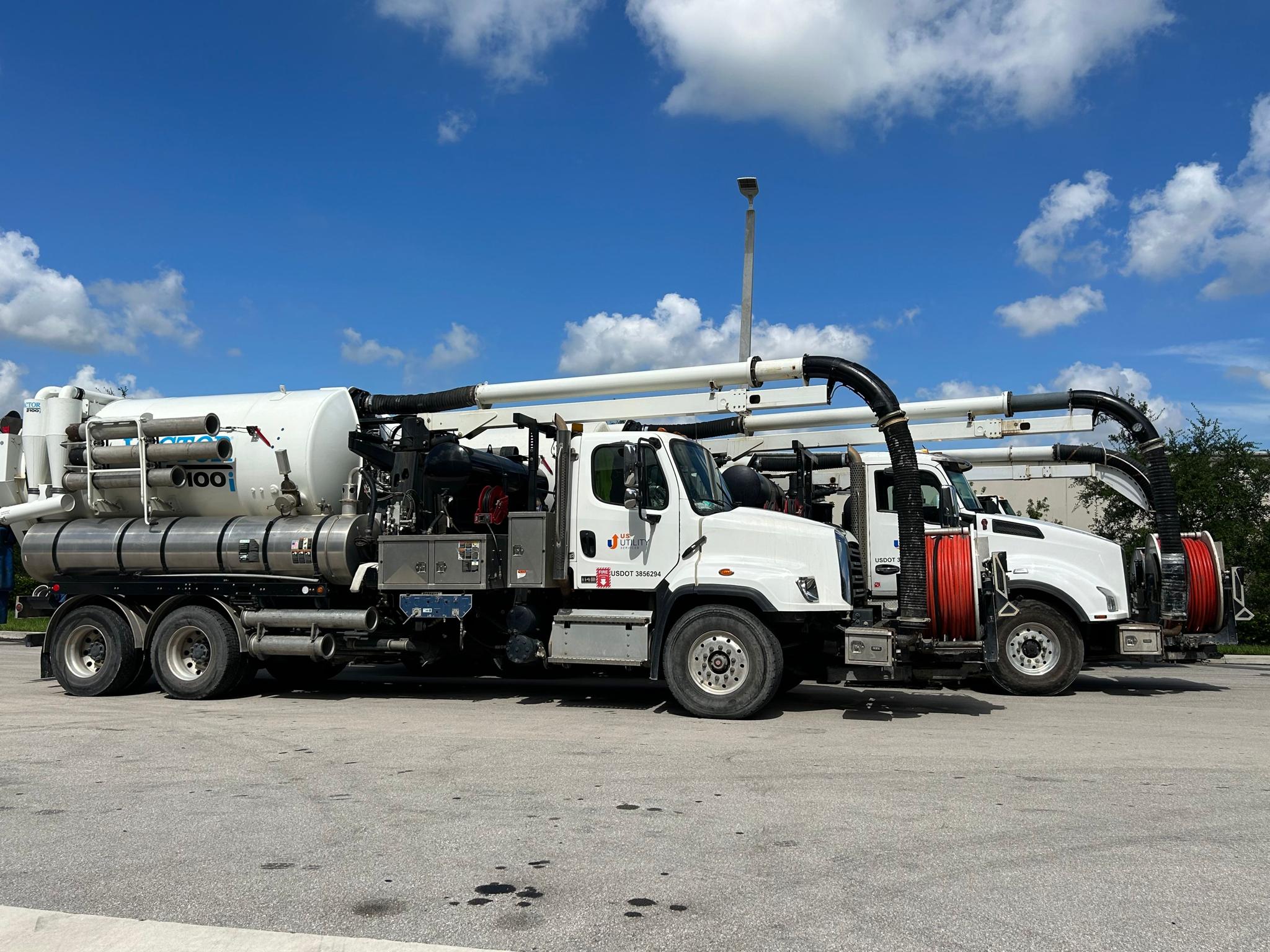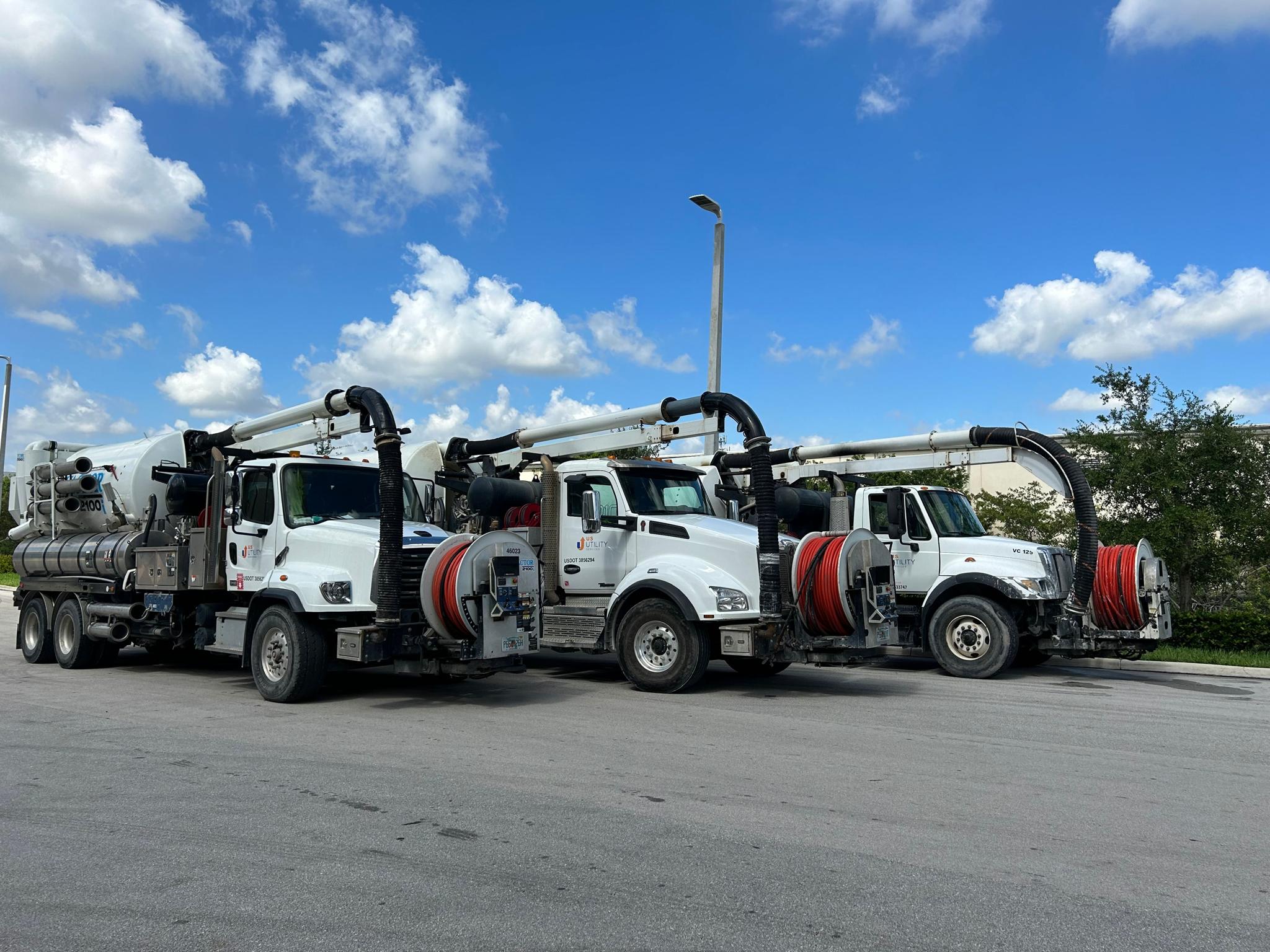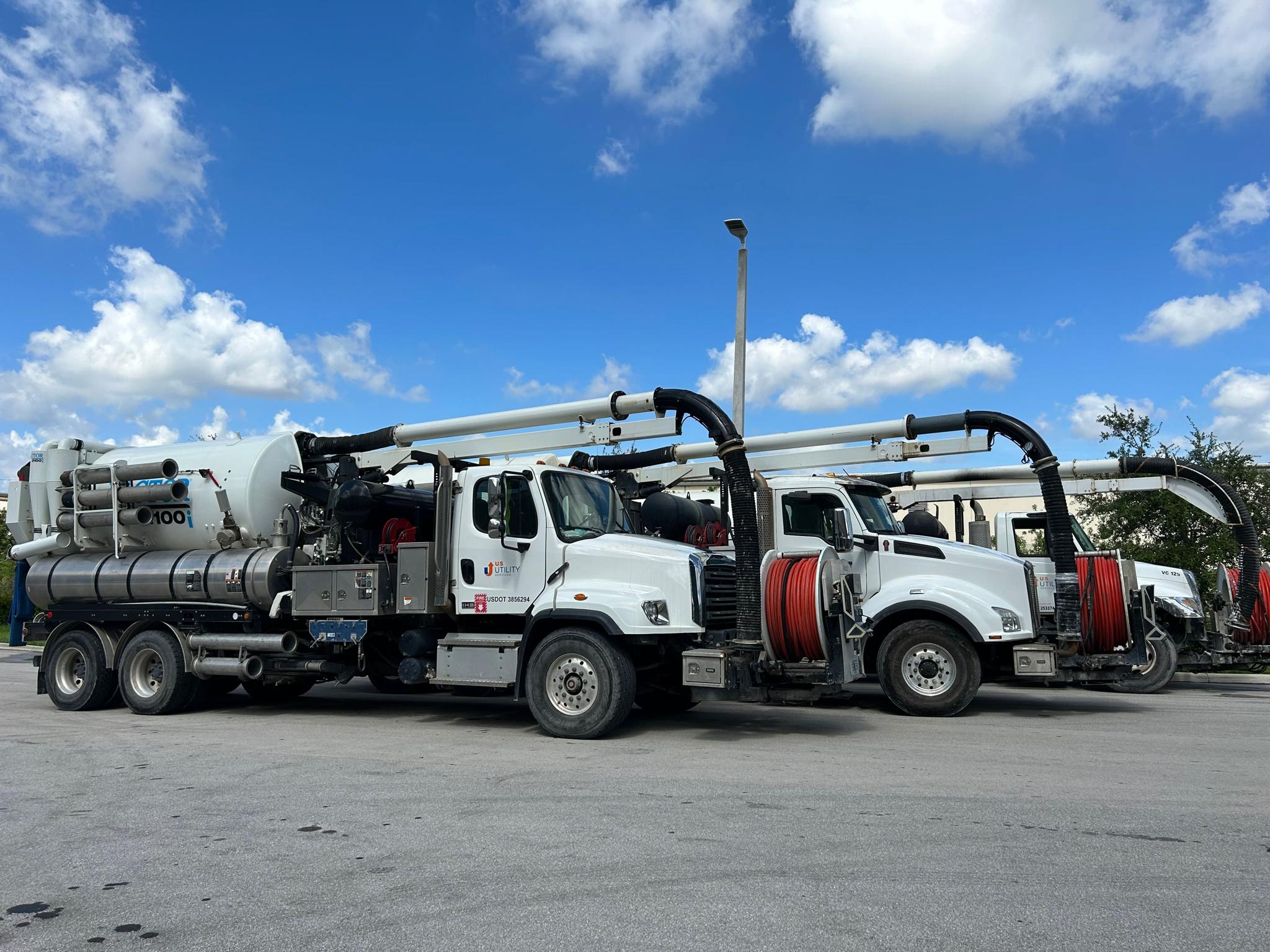
In utility infrastructure, the difference between a manageable incident and a catastrophic event is often measured in hours. A sewer main that starts backing up at 10 PM becomes a sanitary sewer overflow — a regulatory event requiring DEP notification — if it isn't addressed by morning. A utility strike on a gas main is dangerous in the moment it happens, but the risk compounds every minute the line remains exposed and unprotected. Emergency response in this industry isn't a premium service — it's a necessity.
This article covers the most common utility emergencies in South Florida, how to respond to them, and why having a reliable emergency utility services contractor on call before you need one is one of the most important preparations a contractor, municipality, or facility manager can make.
What Qualifies as a Utility Emergency?
A utility emergency is any situation where a delay in professional response will result in ongoing damage, safety hazard, environmental contamination, or regulatory violation. Common utility emergencies include:
- Sanitary sewer overflow (SSO): Raw sewage reaching the surface — in a street, parking lot, waterway, or building — is an immediate environmental and public health emergency. Florida DEP requires notification within 24 hours. Emergency vacuum truck response can contain and remove the overflow while jetting crews restore flow in the blocked system.
- Utility strikes during construction: A backhoe or trencher striking a buried pipe or cable requires immediate stoppage of excavation, notification to the utility owner, and often emergency hydro excavation to safely expose the damage area for repair access without creating additional risk.
- Storm drain system failure: A collapsed inlet, blocked outfall, or severely restricted stormwater pipe during or immediately before a heavy rain event can cause property flooding. Emergency cleaning and if necessary emergency repairs can prevent a maintenance situation from becoming a disaster.
- Force main break: Pressure sewer force mains can fail at pump stations, at air release valves, or along the main itself. A broken force main requires immediate isolation and repair — emergency vacuum truck response can contain spilled sewage while the utility owner arranges repair.
- Tank failure or overflow: Industrial tanks, baker tanks, or holding structures that fail or overflow require immediate response for containment, removal, and DEP-compliant disposal of released material.
The Response Process
When you call US Utility Services' 24/7 emergency line, you reach a live dispatcher — not voicemail, not an answering service that will relay your message in the morning. The dispatcher is trained to quickly assess your situation, determine the right equipment and crew for the response, and give you a realistic estimated arrival time.
Typical emergency response times from our South Florida operations base are 2–4 hours anywhere in Miami-Dade, Broward, and Palm Beach counties. For the Treasure Coast, response times may be slightly longer. We're transparent about these timelines — you'll know exactly when to expect us so you can manage your situation and your stakeholders accordingly.
Our emergency crews carry the same equipment, follow the same safety protocols, and provide the same quality of work as our scheduled service teams. Emergency response doesn't mean cutting corners — it means doing the job right, quickly.
Why Speed Matters
The cost-benefit math of emergency response is straightforward. Consider a sanitary sewer overflow that begins at midnight:
Without emergency response, by 8 AM the overflow has been releasing for eight hours. Surface contamination has spread, potentially reaching a waterway. DEP notification is mandatory. Cleanup costs are substantially higher than containment costs. The regulatory investigation is more intensive. If the utility is a municipal system, the agency faces potential consent order proceedings.
With emergency response arriving at 2 AM, the overflow is contained and stopped within two to three hours. Total surface contamination is limited. Documentation supports DEP notification. The incident is manageable rather than a crisis.
The same logic applies to utility strikes, storm drain failures, and tank emergencies. Every hour of delay allows the situation to worsen, costs to accumulate, and options to narrow.
What to Do Before the Truck Arrives
While you're waiting for emergency response, these steps minimize harm:
For sewer overflows: Establish a perimeter around the overflow area if possible. Do not allow the public or vehicles to approach. Document the situation with photographs and note the time the overflow was discovered. Do not attempt to jet or rod the blocked system without proper equipment — this can make the situation worse.
For utility strikes: Stop all excavation immediately. Call the utility owner as required by law (811). Keep all personnel well clear of any struck gas line until the utility owner arrives and declares it safe. Do not attempt to cover or backfill the area.
For storm drain emergencies: If flooding is imminent, move vehicles and equipment from the flood zone if it can be done safely. Document the system's condition for insurance and regulatory purposes.
US Utility Services maintains 24/7/365 emergency response capability throughout South Florida, including Miami-Dade, Broward, Palm Beach, and the Treasure Coast. Save our emergency number before you need it: (855) 867-4537. When an emergency happens, you'll be glad it's already in your phone.